How to Choose the Right Stone Jaw Crusher for Your Needs?
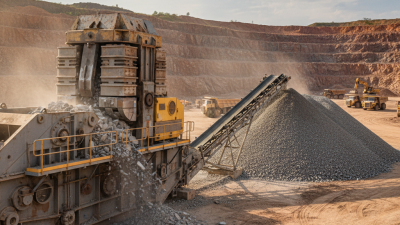
Choosing the right Stone Jaw Crusher can be challenging. With many options available, understanding your requirements is crucial. Stone Jaw Crushers vary widely in design and function, impacting their performance in different applications.
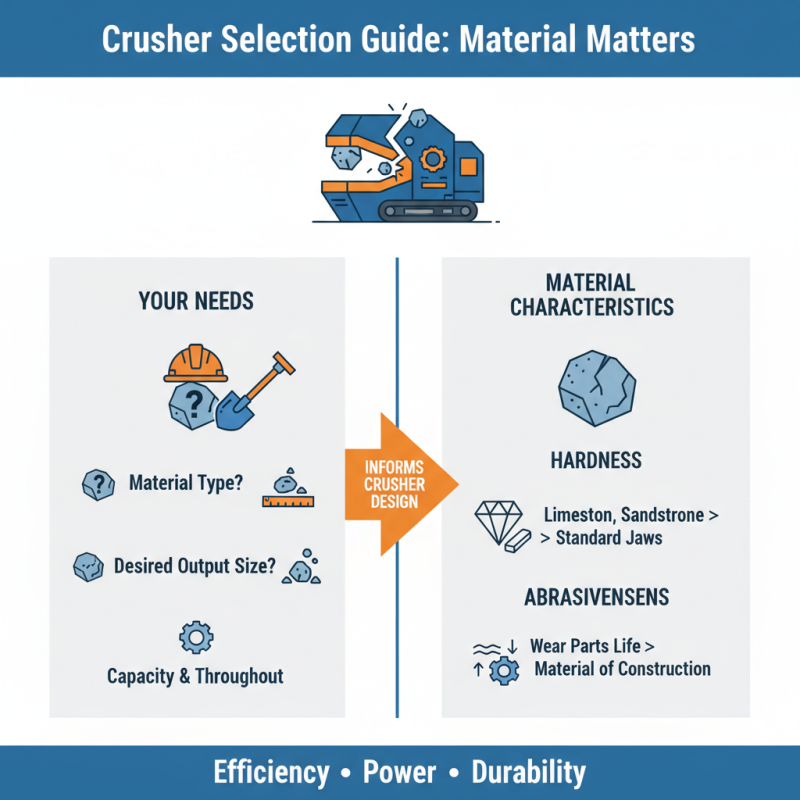
Consider the material you will be crushing. Harder stones require robust machines. If you process softer materials, a less heavy-duty model may suffice. Beyond this, think about the desired output size. This factor significantly affects your crusher choice.
Budget is another essential element. Prices vary based on brand and features. Investing in a reputable brand can ensure reliability and longevity. Moreover, consulting with industry experts can provide insights. Reflect on past experiences, both yours and others’, to guide your decision.
Understanding the Types of Stone Jaw Crushers Available in the Market
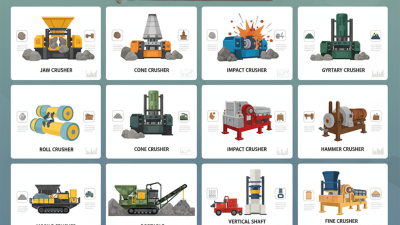
When it comes to selecting a stone jaw crusher, understanding the various types available is crucial. There are several models designed for different applications. For instance, some crushers are ideal for primary crushing, while others handle secondary crushing with ease. Each type has its unique specifications and operational features.
One important aspect to consider is the size of the material you will process. Different crushers can accommodate varying input sizes. If you're working with larger stones, you may need a robust model. Conversely, a smaller operation may only require a compact crusher.
Tips: Always check the compression ratio of the crusher. A higher compression ratio means better crushing efficiency. Additionally, pay attention to the material it's made from. Durable materials can significantly reduce wear and tear over time. It's essential to assess your site’s needs. Sometimes, opting for a more specialized model can lead to better long-term results. Reflect on your future needs as well; investing in a versatile machine can be more beneficial than focusing solely on current demands.
Evaluating Your Crushing Needs and Material Characteristics
When selecting a stone jaw crusher, understanding your crushing needs and material characteristics is paramount. Start by assessing the type of material you will process. Is it hard rock, like granite? Or softer materials, such as limestone? The hardness affects the crusher's design and specifications. For instance, harder materials require stronger jaws and more power to achieve efficient crushing.
Consider the size and shape of the materials too. Uniformly shaped stones will crush differently than irregular ones. Analyze the expected output. Will you need a specific size of crushed stone? Determine the desired output size, as crushers come with adjustable settings. Pay attention to the feed opening size. It should accommodate the largest pieces you intend to crush.
Beyond these specifics, reflect on the overall capacity needed. How much material will you process daily? Underestimating your needs can lead to inefficiencies and increased operational costs. Working with an expert can provide insights into these aspects. Engaging with knowledgeable professionals helps navigate these complexities and ensures the right choice for your project.
Key Features to Consider When Selecting a Jaw Crusher
Choosing the right stone jaw crusher involves understanding key features that affect performance and efficiency. The crushing capacity is crucial. Many crushers offer various capacities, often ranging from 1 to 1000 tons per hour. Consider your project requirements when evaluating the right model. The feed size also plays a significant role. Ensure the crusher can handle the size of the material you're working with.
Another important factor is the material of construction. High-quality steel frames and components increase durability and longevity. This reduces maintenance costs over time. Research indicates that a robust jaw crusher can last over 15 years with proper care. Additionally, the crush ratio affects the desired output. Ratios typically range from 4:1 to 10:1, influencing the quality of the end product.
Tip: Always check for certifications or quality standards. This can ensure you’re investing in a reliable machine. Also, don't forget about the machine’s energy efficiency. Energy-efficient models can lead to significant cost savings over time. Analyze the total cost of ownership, including maintenance and energy use. It's essential to weigh these factors against your budget and output needs.
Assessing the Cost-Effectiveness of Different Models
When assessing the cost-effectiveness of stone jaw crushers, several factors come into play. Initial purchase price is just part of the equation.
Maintenance costs, energy consumption, and performance efficiency also matter greatly. An affordable unit may seem good, but higher operational costs can add up.
This makes a thorough evaluation essential.
Different models vary in features and capabilities. Some offer advanced technology, while others rely on basic designs.
Investing in a model with better productivity can offset its higher price over time. It’s vital to match your operational needs with the crusher's specifications.
A mismatch could lead to wasted resources or unexpected downtime.
Think about durability and warranty options too. Better quality often comes with longer warranties, indicating reliability. However, lower-priced units may tempt buyers.
They can be a gamble, as they may require more repairs. Explore both short and long-term costs to guide your decision.
Ultimately, aim for a balance between upfront costs and overall efficiency.
Maintenance and Support Services for Your Chosen Crusher
Choosing the right stone jaw crusher is only the beginning. After selection, maintenance becomes crucial. Regular check-ups help in identifying issues early. This minimizes downtime and maximizes productivity. Keeping your machine in good shape is as important as its initial purchase.
Tips: Create a maintenance schedule. It should include daily, weekly, and monthly tasks. Replace worn parts promptly to avoid bigger problems later.
Moreover, seeking professional support enhances your operational efficiency. Engaging with experts familiar with your specific model is beneficial. They can provide insights tailored to your needs. This kind of informed guidance can extend the life of your equipment and improve performance.
Tips: Keep a log of all maintenance tasks and repairs. This history can be a valuable resource in future assessments and decision-making.