Why Choose the Best Stone Crushing Equipment for Your Business?
In today’s competitive market, investing in the best stone crushing equipment is crucial. This machinery plays a vital role in various industries, from construction to mining. Choosing the right equipment can boost productivity and ensure high-quality outputs.
High-performance stone crushing equipment can streamline operations. However, not all machines are created equal. Understanding the specifications and capabilities of different models is essential. Many businesses overlook this aspect, which can lead to costly mistakes.
Identifying reliable stone crushing equipment requires careful evaluation. Consider factors such as durability, maintenance needs, and cost-effectiveness. Reflecting on these elements can pave the way for informed decisions. The right equipment not only enhances efficiency but also strengthens your business’s foundation. Investing wisely in stone crushing equipment pays off in the long run.
Factors Influencing the Selection of Stone Crushing Equipment
Choosing the right stone crushing equipment is critical for your operation. Various factors influence this decision, impacting performance and profitability. Understanding your specific needs is key. Are you crushing hard stones or softer materials? The type of material will dictate the design and strength of the equipment.
Operating costs must also be considered. Equipment that is energy efficient can significantly reduce expenses over time. Additionally, the maintenance frequency of different models can vary widely. Some machines require constant upkeep, while others are more reliable. Analyzing these aspects helps in making a more informed choice.
Safety features should not be overlooked. Operators need to work in a secure environment. Equipment that includes advanced safety features often has a higher upfront cost but pays off in the long run. Seeking expert advice can enhance your decision-making process. However, always remember that what works for one business may not be ideal for another. Each operation has unique challenges and setups.
Understanding Different Types of Stone Crushing Machines
When investing in stone crushing equipment, it’s essential to understand the various types available. Different machines cater to unique applications, which can significantly impact your operations. For instance, jaw crushers are popular for primary crushing. They work by compressing material between two plates. According to industry reports, jaw crushers have an efficiency rate of over 95% in reducing rock size.
Cone crushers, on the other hand, are often used for secondary and tertiary crushing. They excel at producing fine aggregates, which are vital in construction. A report from the Mining and Quarrying division suggests that cone crushers can achieve a reduction ratio of 6:1. However, they require careful operation to prevent wear and overheating, indicating the need for skilled management.
Impact crushers provide another alternative. They are ideal for recycling materials and producing high-quality aggregates. While they can handle a variety of materials, users must note that they may suffer from wear over time. Maintenance is crucial to ensure longevity. The decision on which stone crushing machine to use should reflect the specific needs of your business, considering both efficiency and operational challenges.
Key Features to Look for in Quality Crushing Equipment
Choosing quality stone crushing equipment is vital for any business. It can determine productivity and efficiency. When selecting equipment, consider key features that enhance performance and reliability.
One important feature is durability. Look for materials that withstand heavy usage. Equipment made of high-quality steel or reinforced components lasts longer. Efficiency is another factor. Machines should operate at high capacity with minimal downtime. This can significantly impact your business operations.
Tips for choosing the right equipment: Always check for warranty and support services. Reliable manufacturers offer robust customer service and maintenance options. Additionally, research the specific requirements for your projects. Not all machines fit every need.
A common mistake in choosing equipment is underestimating the importance of mobility. If your projects require relocation, opt for portable options. They save time and resources. Take time to reflect on your long-term needs and avoid impulsive decisions.
Cost-Benefit Analysis of Investing in Premium Equipment
When considering stone crushing equipment, a cost-benefit analysis reveals significant advantages in opting for premium models. Reports indicate that investing in high-quality machinery can increase efficiency by up to 30%. This translates to reduced operational downtime and lower maintenance costs over time. While the upfront expenses may be higher, the long-term savings often outweigh those initial investments.
For businesses in the stone crushing industry, equipment longevity is crucial. Quality machines can last up to 15 years, compared to only 5-7 years for cheaper alternatives. This durability can lead to fewer replacements and a more predictable financial outlook.
Additionally, premium equipment often includes advanced features, improving safety and compliance with regulatory standards. According to industry professionals, this can reduce liability risks.
Tip: Prioritize equipment that offers maintenance support and warranties. It can save you from unforeseen repair costs.
Another key point involves the efficiency of processes. Data shows that improved fuel efficiency in premium machines can cut operating costs by as much as 20%. Investing in better technology not only boosts productivity but also enhances your company's reputation for quality. However, it's essential to reflect on the right balance between initial costs and expected outcomes. Understanding your specific business needs is critical before making a decision.
Impact of Advanced Technology on Crushing Efficiency
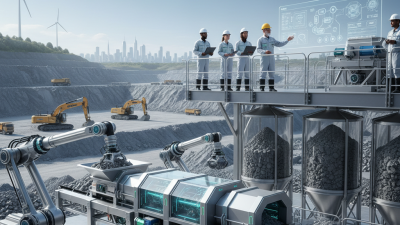
Advanced technology plays a crucial role in the efficiency of stone crushing equipment. Recent studies indicate that modern crushing systems can boost productivity by up to 30%. This increase is largely due to the integration of automation and real-time monitoring. Such advancements allow operators to make informed decisions swiftly.
Consider that a traditional crushing setup may operate at about 75% efficiency. In contrast, a system powered by AI and advanced sensors can achieve efficiencies exceeding 90%. This not only maximizes output but also reduces energy consumption significantly. Recent reports from industry analysts highlight that energy savings can reach up to 20% with the right technology implementation.
Yet, not every business fully utilizes these advancements. There remains a gap between available technology and its adoption in some operations. Companies often hesitate to invest in new systems due to perceived costs. This reluctance can lead to missed opportunities to enhance crushing processes. A critical reflection on operational practices is essential for any business striving for growth in this competitive industry.