- Home
- Products
- Projects
- Solutions
- News
- Services
- About Us
- Blog
- Contact Us
Inquiry
Form loading...
Choosing a Stone Jaw Crusher in 2026 is not a simple price comparison. The right machine must match your rock, feed size, output target, and working environment. A granite quarry needs different protection from a recycled aggregate yard. Picture a 900-millimeter boulder entering a dusty primary crushing line. If the inlet is too small, production slows and operators face repeated blockages. If the machine is oversized, energy and maintenance costs may rise without useful gains. Real purchasing decisions begin with material testing, not catalog claims. Measure compressive strength, moisture, abrasiveness, and expected feed gradation. These details reveal whether a standard jaw design or a reinforced model is more suitable. The answer is rarely universal. Field conditions matter.
This guide examines practical criteria for choosing a Stone Jaw Crusher in 2026. It considers crushing capacity, jaw opening, discharge adjustment, motor efficiency, liner life, and safety features. It also explores automation, remote monitoring, spare-part access, and service response. A supplier should provide test data, drawings, warranty terms, and references from comparable sites. Independent inspection can expose optimistic production figures before money changes hands. Ask how the crusher performs after six months, not only during a factory demonstration. That question often reveals the real cost of ownership. However, even careful planning has limits. Rock properties can change across one pit, and operator habits affect results. Treat published capacity as a working estimate, not a promise. The best machine is not always the newest. It is the one that keeps producing safely, predictably, and economically.
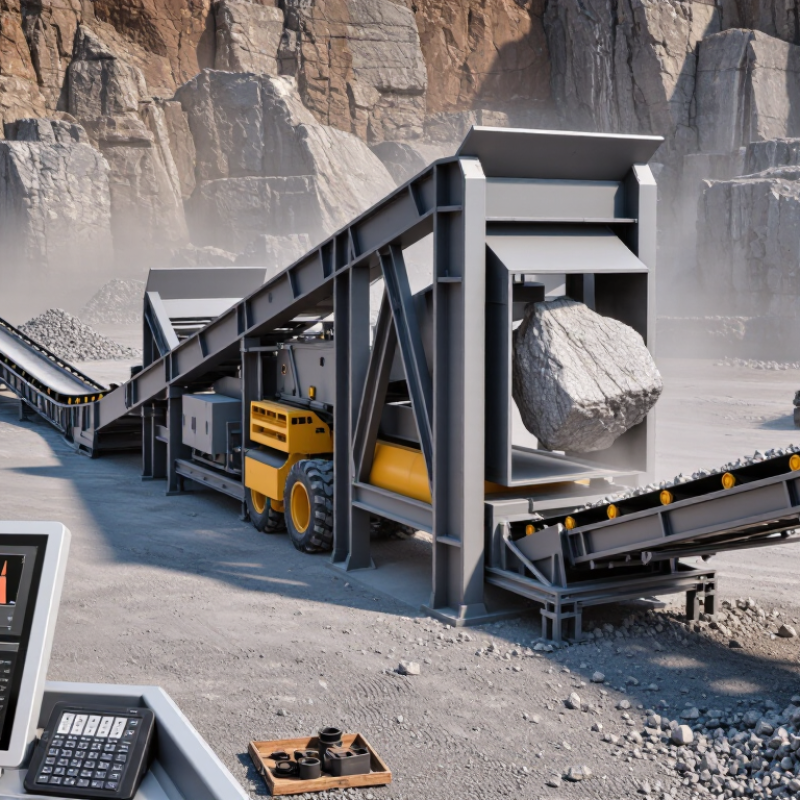
How to Choose a Stone Jaw Crusher in 2026?
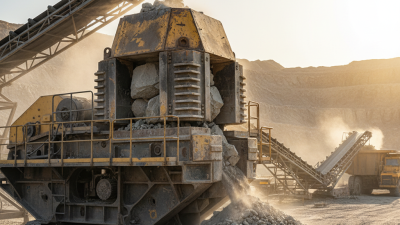
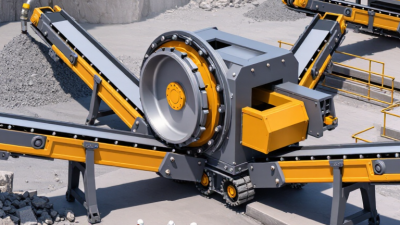
A stone jaw crusher reduces large rocks through compression between a fixed jaw and a moving jaw. Its simple, rugged design makes it a common choice for primary crushing. At a quarry, blasted stone may enter the crusher as uneven chunks. The machine breaks them into smaller pieces for screening or further crushing. Feed size, rock hardness, moisture, and required output all affect performance. A crusher suited to limestone may struggle with very hard, abrasive rock. Capacity figures also depend on operating conditions, not just the model specification.
Stone processing depends on a steady flow of material. An undersized inlet can cause blockages, while an unsuitable discharge setting may produce stone that is too large for the next stage. Check the feed opening, adjustment range, motor power, and expected wear-part life against your actual stone and production needs. Dust control, guarding, and accessible maintenance points matter on site. They are easy to overlook. I would still want to verify performance with local material; published figures cannot capture every quarry’s conditions.
Tips: Keep feed size consistent and avoid overloading the chamber. Inspect jaw plates for uneven wear, and record changes in output or vibration. Ask suppliers for test data using comparable stone, then confirm installation space and service access before purchase. Small checks prevent costly surprises.
| Selection Dimension | Typical Information or Range | Why It Matters | What to Check Before Choosing |
|---|---|---|---|
| Primary-crushing role | Usually the first crushing stage, reducing blasted rock or quarry feed to a smaller, more manageable size. | A jaw crusher prepares material for secondary crushing, screening, or further processing; it is not usually the final sizing step. | Confirm the required downstream feed size and whether a secondary crusher or screen is part of the process. |
| Feed material and hardness | Common applications include limestone, granite, basalt, and other quarry or construction materials. Abrasiveness varies considerably. | Hard, abrasive rock increases wear on jaw plates and can affect operating cost and maintenance intervals. | Assess rock type, compressive strength, abrasiveness, moisture, and any clay or fines in the feed. |
| Maximum feed size | Depends on the crusher’s feed opening and design; the opening is commonly described by its width and height. | Oversized feed can cause bridging, uneven loading, or interruptions. The nominal opening alone does not guarantee suitable handling. | Compare the largest expected lump—not just the average size—with the manufacturer’s feed-size guidance. |
| Capacity requirement | Rated capacity varies widely by model and operating conditions; actual output depends on feed, settings, material properties, and plant layout. | A crusher sized only by a headline capacity may not meet the required sustained production rate in the field. | Use the expected tonnes per hour, operating schedule, feed gradation, and required product size when comparing capacity. |
| Closed-side setting (CSS) | The CSS is the minimum distance between the jaw plates at the discharge end. A smaller setting generally produces a finer product. | Changing the CSS affects product size, throughput, and crushing forces; it is not a direct substitute for screening. | Check the adjustment range and the expected product-size distribution at the intended operating setting. |
| Jaw plate design and material | Jaw plates are replaceable wear parts. Plate profiles and materials are selected according to the feed and crushing application. | Suitable plates can improve grip and wear life, while worn plates can reduce performance and affect product consistency. | Review plate options, expected wear-part life, replacement procedure, and availability of compatible parts. |
| Drive and power supply | Jaw crushers may use electric or diesel-driven configurations, depending on whether the installation is fixed or mobile. | The drive must suit the site’s power availability, duty cycle, mobility needs, and operating environment. | Verify installed power, starting requirements, energy supply, fuel needs where applicable, and service access. |
| Feed control and plant integration | A controlled, reasonably consistent feed is generally preferable to irregular surges or excessive fines. | Feeders, grizzly sections, conveyors, and screens influence crusher loading and overall plant performance. | Check feed opening access, feeder compatibility, discharge height, conveyor capacity, and space for safe maintenance. |
| Safety and maintenance | Routine inspection and wear-part replacement are part of normal operation. Lockout procedures and guarding are essential. | Safe access and maintainability affect downtime, service work, and personnel protection. | Review guarding, emergency stops, lifting points, service clearances, inspection access, and the site’s lockout procedures. |
Note: Capacity, feed-size limits, power requirements, and product gradation are machine- and application-specific. Confirm operating figures with the equipment supplier using the actual material characteristics and plant conditions.