How to Choose the Right Jaw Crusher for Your Project?
Choosing the right jaw crusher for your project can be daunting. Each project has unique requirements. A carefully chosen jaw crusher can make a significant difference in efficiency and output. As industry expert John Doe states, "Selecting the right jaw crusher is crucial for optimal performance."
Jaw crushers are essential in various industries, such as mining and construction. They crush rocks into smaller sizes, facilitating easier processing. With many options available, it’s important to consider the material type and desired output. Different models offer varying levels of throughput, size reduction, and power consumption.
Many overlook the need for thorough research. The wrong choice can lead to unexpected delays or increased costs. For instance, if your project requires a high-volume output, selecting a smaller model might hinder progress. Reflecting on these details is critical. Careful consideration ensures your jaw crusher aligns with project goals and operational needs, ultimately leading to success.
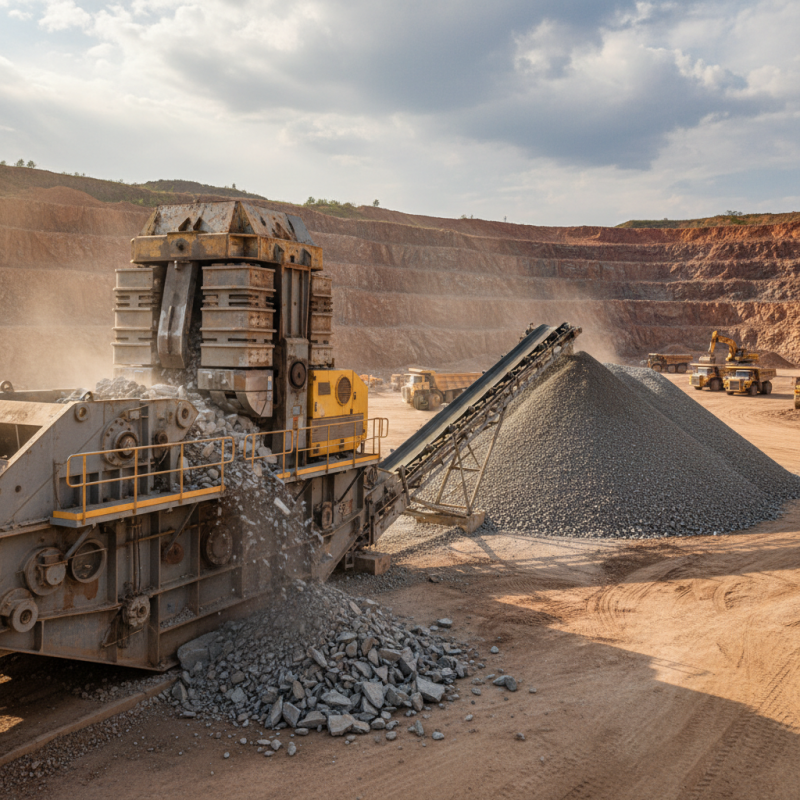
Understanding Different Types of Jaw Crushers and Their Applications
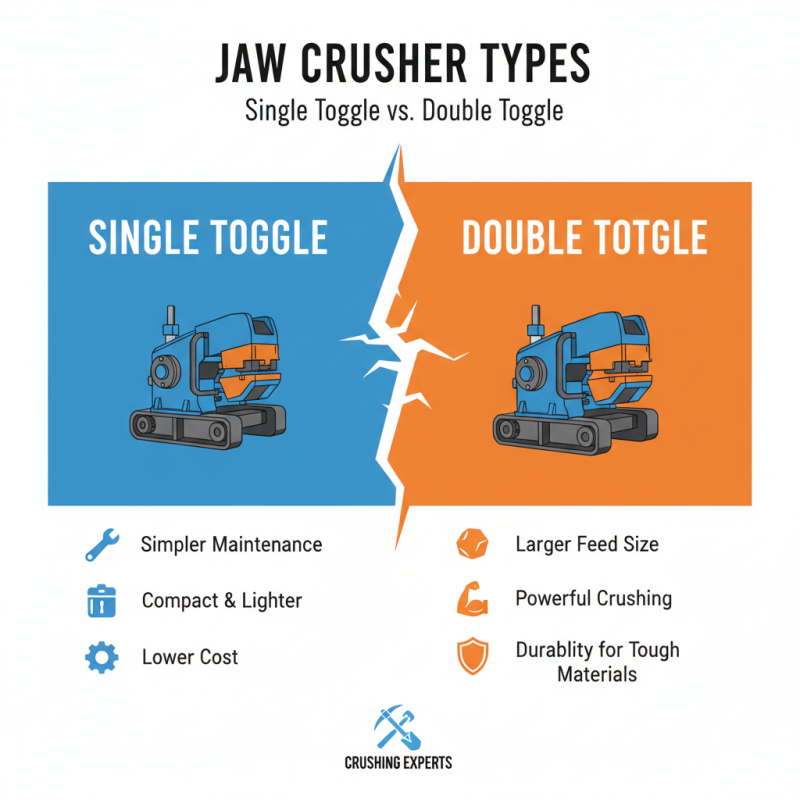
When choosing a jaw crusher, understanding the different types is crucial. There are primarily two designs: the single toggle and the double toggle jaw crusher. Each has unique features and benefits. The single toggle design is known for its simplicity and compact form. It is often lighter and easier to maintain. On the other hand, the double toggle design handles large feed sizes better and offers a more powerful crushing action.
Applications can vary widely. Single toggle crushers are typically used in smaller operations, where space is limited. They excel in producing smaller, consistent output. In contrast, double toggle models are common in large-scale production environments. They are suitable for hard and tough materials. However, they may require more maintenance, which is a consideration for many operators.
Reflect on your project’s requirements before making a choice. Think about the materials you will crush and the desired output size. Consider the crusher's operational costs and efficiency as well. There could be unforeseen challenges. Balancing performance and budget is not always straightforward. It’s vital to evaluate your options critically.
Key Factors Influencing Jaw Crusher Performance and Efficiency
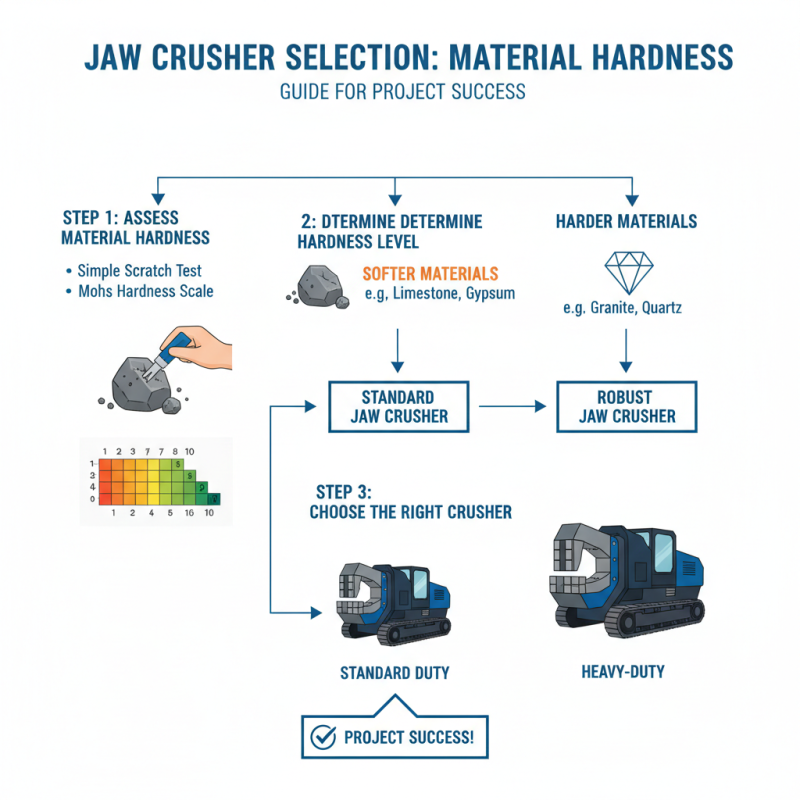
When selecting a jaw crusher, several key factors can influence its performance and efficiency. The material type you intend to crush plays a vital role. Different materials can wear down machines at varying rates. Additionally, hardness and moisture content affect crushing. If you are unsure of your material's properties, conduct tests to assess their impact on your project.
Another important aspect is the crusher's size and capacity. A larger capacity might seem better, but it may not suit smaller projects. If you overestimate your needs, you could end up with increased costs. Always evaluate your project's scale realistically. This helps in avoiding wasteful expenditure on oversized equipment.
Tips: Keep an eye on the feed size. A mismatch can cause blockages. Regular maintenance can optimize the lifespan of your jaw crusher. Lastly, consider the output requirements. Matching your production goals with the right specifications is crucial. Balancing these factors ensures you choose an effective machine for your needs.
Evaluating Cost-Benefit Analysis for Jaw Crusher Options
When selecting a jaw crusher, evaluating cost-benefit analysis is crucial. The right machine impacts productivity and profitability. In recent studies, businesses reported a 25% increase in efficiency when they made informed choices based on project needs. Analyzing initial costs versus long-term benefits is essential.
Many factors influence costs. Purchase prices vary significantly across models. Operating expenses include electricity, maintenance, and wear parts. Some models can have lower upfront costs but higher ongoing expenses. Collecting data on these factors helps in making sound decisions.
**Tip:** Always assess your project's scale. Small projects might benefit from versatile, compact crushers. Bigger operations may require heavy-duty machines.
Another consideration is producing capacity. Some crushers can handle 50 tons per hour, while others max out at 20 tons. Align your choice with your material needs and production goals.
**Tip:** Don’t overlook service agreements when evaluating options. Well-supported equipment often leads to extended lifespan and reduced downtime. Remember, investing in the right jaw crusher can prevent costly mistakes later on.
How to Choose the Right Jaw Crusher for Your Project? - Evaluating Cost-Benefit Analysis for Jaw Crusher Options
| Model |
Feed Size (mm) |
Capacity (ton/hour) |
Power (kW) |
Price ($) |
Operating Cost ($/ton) |
| CJ615 |
600 |
200 |
160 |
250,000 |
5 |
| PE500 |
500 |
150 |
110 |
180,000 |
6 |
| LDJ1000 |
1000 |
300 |
220 |
350,000 |
4 |
| XH900 |
900 |
250 |
185 |
300,000 |
5.5 |
Maintenance Considerations for Longevity of Jaw Crushers in Projects
Maintaining jaw crushers is crucial for their longevity. Regular inspections can prevent unexpected breakdowns. Look for wear on key components. Check the jaws, bearings, and liners often. Even minor issues can escalate into major problems if ignored.
One common oversight is not lubricating the machine properly. Lubrication intervals are essential. Use the correct type of grease and apply it consistently. This simple step can extend the lifespan of your equipment significantly. Additionally, ensure that the hydraulic system is free of contaminants. Dirty hydraulic fluid can lead to severe damage.
Operators must also be aware of how the crusher is used. Feeding excessive material or the wrong type can cause strain. An overloaded machine can suffer from overheating. Monitor the operational load closely. Adjustments may be needed for optimal performance. Being proactive in maintenance will save costs in the long run.
Jaw Crusher Performance and Maintenance Considerations
This chart represents the maintenance frequency in months for various jaw crusher models, which is an important consideration for ensuring the longevity and efficiency of jaw crushers in projects.