2026 How to Choose the Right Primary Jaw Crusher for Your Needs?
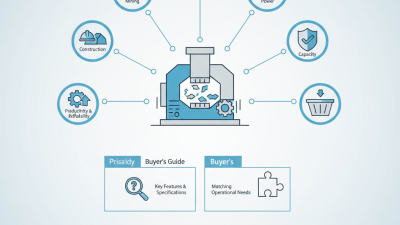
Selecting the right Primary Jaw Crusher is crucial for any mining or construction project. The decision can significantly impact productivity and operational efficiency. According to a report by the global machinery industry consultant, Dr. Emily Chen, “Choosing the right equipment is as vital as the raw material itself.” With various options available, understanding specifications is essential.
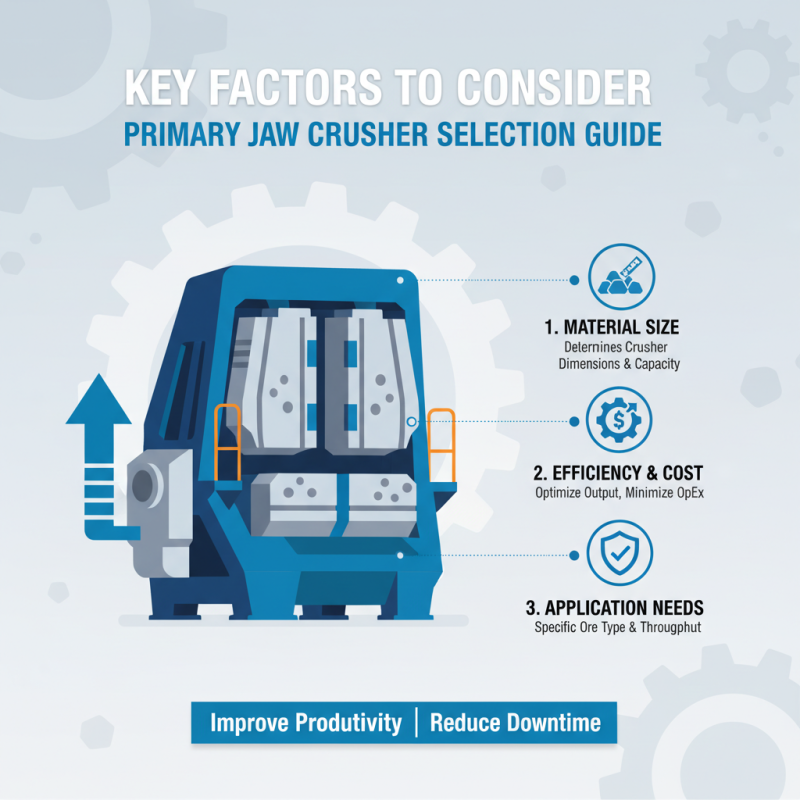
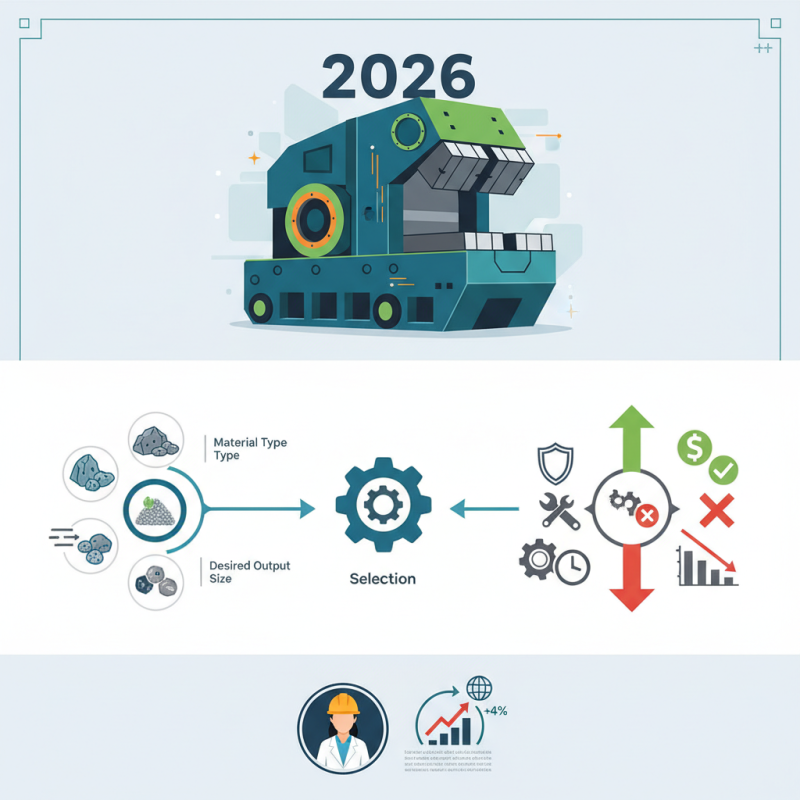
The market for Primary Jaw Crushers is projected to grow by over 4% annually. This growth indicates a rising demand for reliable crushing equipment. However, not all jaw crushers fit every need. Factors such as material type, desired output size, and processing speed are key considerations.
It's important to reflect on the challenges. Some buyers may prioritize cost over quality. This can lead to increased maintenance costs and downtime. Buyers should also review the supplier's reputation. A strong service record can be a reliable indicator of performance. This realization can shape your choice, ensuring you select a Primary Jaw Crusher that meets your specific needs effectively.
Understanding the Function and Importance of Primary Jaw Crushers
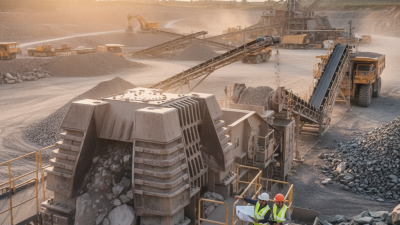
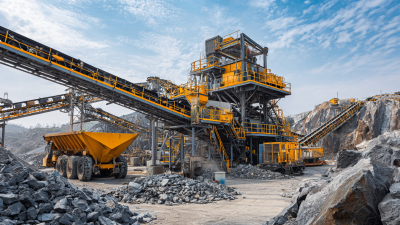
Primary jaw crushers play a vital role in the mining and construction industries. These machines are designed to crush large rocks and reduce them to manageable sizes. They are essential for processing materials like granite, limestone, and sandstone. Industry reports indicate that the global jaw crusher market was valued at over $1.7 billion in 2022 and is expected to grow significantly by 2026. The demand for efficient crushing solutions drives this growth.
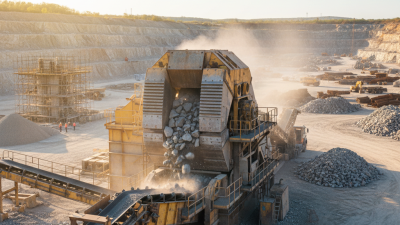
When selecting a primary jaw crusher, understanding its function is crucial. These crushers work on the principle of compression. The material is fed into the chamber, where it is reduced by a combination of fixed and movable plates. This process influences production output and energy consumption. Ineffective crushers can lead to increased operational costs, limiting profitability.
Tips: Assess your material type and desired output size before purchasing. Consider the crusher's capacity and power requirements. Ensure it aligns with your operational goals. Regular maintenance is essential for maximizing efficiency. Failure to address wear and tear can hamper performance.
Choosing the right primary jaw crusher also requires evaluating the equipment's design and build quality. Not all crushers are equitably engineered. Some users report issues with excessive downtime due to inferior construction. By prioritizing robust design, you can enhance reliability. Be wary of overly complex features that may complicate operations instead of simplifying them.
2026 How to Choose the Right Primary Jaw Crusher for Your Needs?
Understanding the key specifications of primary jaw crushers is essential for making an informed choice. This chart illustrates typical values across various parameters including throughput, feed size, discharge size, power, and weight, which are critical in selecting the right equipment for your needs.
Comparing Different Types of Primary Jaw Crushers Available
When selecting a primary jaw crusher, understanding the types available is crucial. Each type serves different operational needs. Traditional models often excel in hard rock mining. They provide reliability but can be
less efficient in soft material processing.
Modern variants incorporate advanced technology. For instance, hybrid models combine benefits from electric and diesel power. According to industry reports, these can boost energy efficiency by up to 30%. This efficiency is a significant factor in long-term operational cost savings.
Another aspect to consider is the size and capacity. Crushers typically range from small laboratory units to massive industrial machines. A smaller unit might suit smaller projects, while larger operations demand heavy-duty models. The choice hinges on production volume and material type.
A mismatch can lead to inefficiencies, such as increased wear and tear. It’s essential to evaluate all variables before making a selection.
Evaluating the Size and Capacity Requirements for Your Operation
Choosing the right primary jaw crusher is critical for your operation’s success. One essential step is evaluating size and capacity requirements. This process often reveals specific needs that can vary significantly among different projects. A careful consideration of material types, feed size, and desired output size is fundamental. These factors directly influence the crusher's dimensions and capacity selection.
Understanding your material is crucial. For instance, harder materials may require a larger and more robust machine. Also, consider the volume of material you handle daily. A jaw crusher may need to process several tons of material each hour. This requirement often leads to the dilemma of over- or under-sizing equipment. An undersized crusher can lead to inefficiencies. Conversely, an oversized model may result in unnecessary costs and energy consumption.
Reflect on the impact of your choices. Performance issues can arise from misjudged capacity needs. The right balance between size and capacity can enhance productivity. Yet, it’s important to seek advice from industry experts or conduct thorough research. Sometimes, trial and error might be necessary. This iterative approach can help refine your selection, leading to improved operational efficiency and reliability in the long run.
2026 How to Choose the Right Primary Jaw Crusher for Your Needs?
| Model |
Feed Opening (mm) |
Max. Capacity (t/h) |
Weight (kg) |
Dimensions (L x W x H, mm) |
| Model A |
900 x 600 |
100 |
16,000 |
2500 x 2000 x 1500 |
| Model B |
1000 x 700 |
150 |
20,000 |
2800 x 2300 x 1600 |
| Model C |
1200 x 800 |
200 |
25,000 |
3000 x 2500 x 1700 |
| Model D |
1400 x 900 |
250 |
30,000 |
3200 x 2700 x 1800 |
Maintenance and Support Considerations for Your Jaw Crusher Choice
Choosing a primary jaw crusher involves more than just specifications. Maintenance and support are crucial factors. Many operators overlook the long-term costs associated with maintenance. According to industry reports, about 40% of crusher downtime is related to maintenance issues. This percentage can significantly impact productivity and profitability.
Support services are also vital. A jaw crusher requires regular inspections and prompt service to avoid costly breakdowns. Effective support can include accessible spare parts and trained technicians. Research shows that companies investing in strong support networks report up to 25% lower maintenance costs. Training staff on preventative maintenance can further extend the life of the equipment and minimize potential disruptions.
Companies must reflect on their specific support needs. Are spare parts readily available? How quickly can technicians respond? These questions shape the decision-making process. Ensuring that you have robust maintenance support is not just a cost—it's an investment in operational efficiency. Ultimately, the right choice enhances your production capabilities and reduces the frustration of unscheduled repairs or inefficient system operations.