The Ultimate Guide to Choosing the Best Mining Jaw Crusher?
Choosing the best Mining Jaw Crusher can significantly impact productivity. According to industry expert Dr. John Smith, "The right crusher can make or break a mining operation." This highlights the critical role that the Mining Jaw Crusher plays in the extraction process.
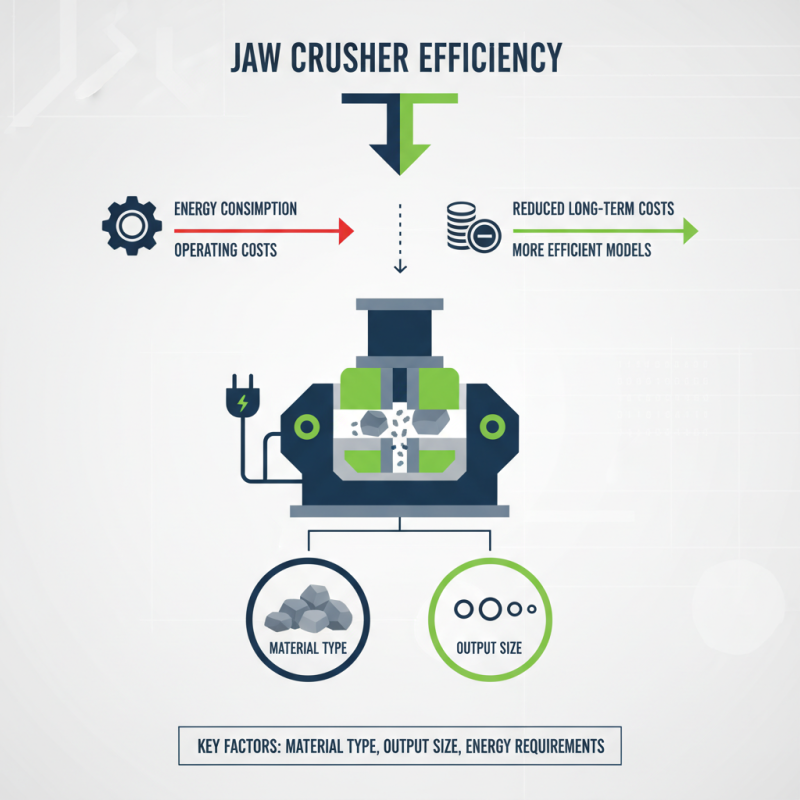
When selecting a Mining Jaw Crusher, multiple factors come into play. You must consider size, material, and capacity. A well-chosen crusher improves efficiency and lowers operational costs. However, many miners overlook potential pitfalls, such as maintenance and adaptability to varying materials.
Some believe that price alone determines the best choice. Yet, this can lead to poor decisions. Investing in a high-quality Mining Jaw Crusher may seem costly upfront, but it pays off in the long run. Focus on expert recommendations and real-world performance data to guide your choice.
Understanding Mining Jaw Crushers: Key Components and Their Functions
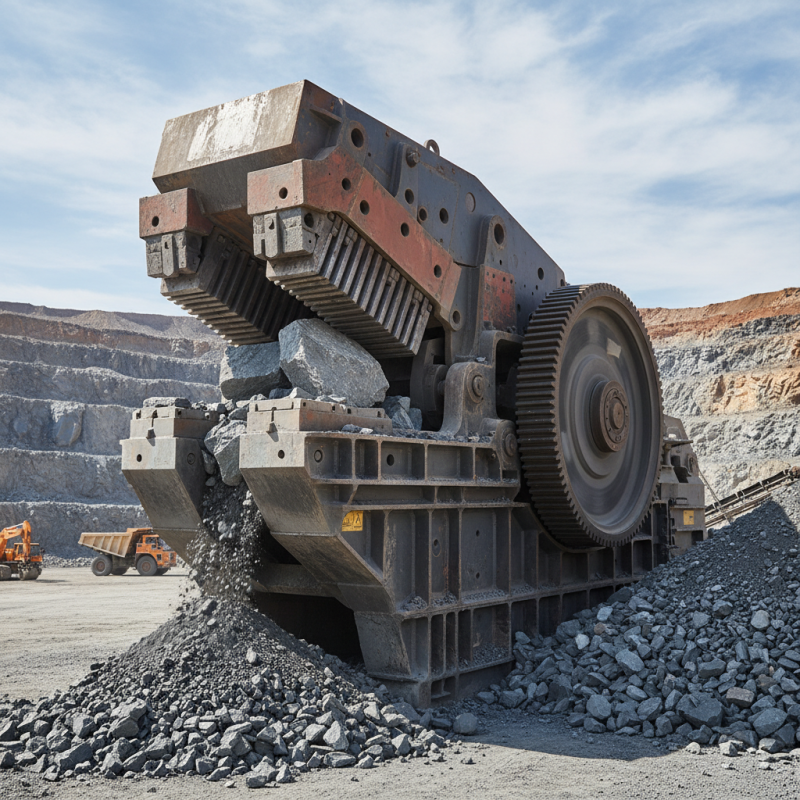
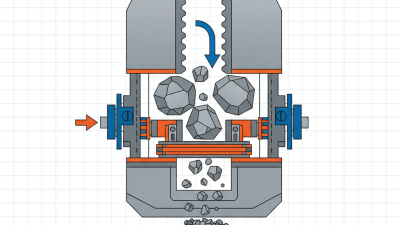
When selecting a mining jaw crusher, understanding its key components is crucial. The primary structure includes the frame, jaw plates, toggle plate, and eccentric shaft. Each component plays a significant role in the crusher's efficiency and longevity.
The frame supports the entire machine, absorbed shock loads during operations. The jaw plates, often made of high manganese steel, are the parts that crush material. They wear down over time; thus, regular replacement is necessary. Industry reports indicate that inadequate maintenance can lead to a 10-20% decrease in throughput efficiency.
**Tip:** Regularly inspect your jaw plates for wear. Consider a more durable material if your operations involve harder rocks.
The toggle plate aids in adjusting the size of the output and acts as a safety mechanism. The eccentric shaft, powered by a motor, is crucial for moving the jaw in a back-and-forth motion. Any misalignment or damage here can impact performance severely. According to some industry experts, misaligned crushers can cause up to 15% more operational costs in energy consumption.
**Tip:** Ensure proper alignment during installation. Misalignment can lead to costly repairs down the line.
In choosing a jaw crusher, focus on understanding these components. Knowing how they work together will help make an informed decision. It’s vital to reflect on maintenance practices to safeguard your investment.
Evaluating Crushing Capacity: Importance of Jaw Crusher Throughput Rates
Choosing the right mining jaw crusher involves careful consideration of throughput rates. These rates significantly impact operational efficiency. According to industry data, a well-chosen crusher can enhance productivity by up to 30%. Low throughput often leads to bottlenecks, delaying operations and increasing costs.
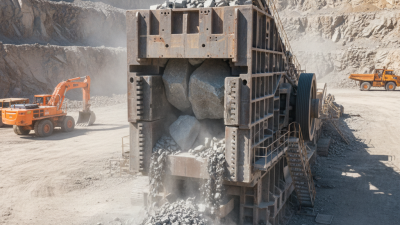
Evaluating the crushing capacity is vital. Jaw crushers operate by reducing large rocks into smaller pieces, and their throughput is crucial for mining operations. An effective jaw crusher can process between 100 to 1,500 tons per hour, depending on the model and design. Inadequate throughput can result in excess machinery wear and higher energy consumption.
It's important to align throughput rates with project needs. Mining operations often face variability in material hardness. A crusher that performs well in one scenario may not in another. Decision-makers should consider the long-term effects of throughput on overall project success. An informed choice can lead to sustainable operations, impacting profit margins positively.
Material Selection: How Jaw Crusher Construction Affects Durability
When selecting a jaw crusher, material choice is crucial for durability and performance. Most jaw crushers are made from high carbon steel or manganese steel. According to industry reports, one of the key factors in a jaw crusher's lifespan is its material hardness. Manganese steel typically offers excellent wear resistance and strength, making it a preferred choice.
Besides hardness, the design of the crusher also impacts durability. The thickness of the jaws, for example, influences how well the crusher withstands heavy loads. Research indicates that a well-designed jaw crusher can increase lifetime productivity by up to 30%. However, many operators overlook imperfections in material quality. Lower-grade steels can lead to fatigue failure and frequent replacements.
Another important element is the heat treatment process. Properly heat-treated components exhibit better resistance to wear and tear. Yet, not all manufacturers follow these best practices consistently. This inconsistency can result in variations in durability. Field studies show that poorly constructed crushers may fail after a few months of use, while those built with high-quality materials last several years. Prioritizing these factors can lead to a more reliable and effective mining process.
Choosing the Right Size: Impact of Feed Size on Jaw Crusher Performance
Selecting the appropriate jaw crusher greatly influences mining operations’ efficiency. One crucial factor is the feed size. The performance of a jaw crusher is tightly linked to how well the feed size matches the crusher's capacity. According to industry reports, an optimized feed size can improve the processing efficiency by up to 30%.
In general, smaller feed sizes can lead to a higher throughput. However, if the feed is too small, it may result in increased wear and tear on the crusher. Approximately 20% of maintenance costs are attributed to improper feed sizes. This highlights the importance of analyzing the granulation curve of the materials being processed. Targeting an optimal feed size can significantly reduce breakdowns and maintenance frequency.
Furthermore, wrong choices can lead to inefficient crushing actions and increased energy consumption. Studies have shown that incorrect feed size can lead to a 15-25% decrease in energy efficiency. Assessing rock characteristics and adjusting the feed size accordingly can result in better performance. It is important to analyze the data and remain adaptable to varying material types for optimal results.